
How to Choose an Engagement Ring: A Practical Guide


What makes an engagement ring unforgettable? For Princess Diana, it was a vivid oval blue sapphire surrounded by diamonds. For Joséphine de Beauharnais, Napoleon Bonaparte chose a striking design featuring two pear-shaped gemstones—what we now know as the iconic Toi et Moi style.
These famous engagement rings could hardly look more different, yet both have become symbols of enduring romance. They also remind us that there has never been just one way to choose an engagement ring. From classic diamonds to vivid coloured gemstones, from understated solitaires to distinctive designs, an engagement ring can be as individual as the person who wears it.
Today, choosing an engagement ring can feel overwhelming, with countless gemstones, designs, settings and price points to consider. In this guide, we explore the key things to think about when choosing an engagement ring—from setting a budget and understanding her style to selecting the right gemstone, ring design and size.
Table of Contents
What Is an Engagement Ring?
An engagement ring is traditionally given when a couple becomes engaged, often presented during a proposal as a symbol of their commitment to marry. While engagement ring traditions vary across cultures and couples, it is commonly worn from the time of the engagement through the wedding and beyond.

In many Western traditions, an engagement ring features a prominent centre stone, such as a diamond or coloured gemstone, while the wedding ring or band is often simpler in design and exchanged during the wedding ceremony. However, there is no single rule for how these rings should look or be worn. Some couples choose complementary designs, while others prefer to mix different styles, metals or gemstones.
Ultimately, an engagement ring is a personal choice. Beyond its design or gemstone, it is a piece of jewellery chosen to mark an important moment—and one that can become part of your story for years to come.
Engagement Ring vs Wedding Bands
Although they are often worn together, engagement rings and wedding rings serve different purposes.
· Engagement ring: Usually given at the proposal and often features a centre stone or more elaborate design.
· Wedding ring: Exchanged during the wedding ceremony and traditionally worn as a symbol of marriage. Wedding bands are often simpler in design and made for comfortable everyday wear.
Today, couples are free to decide how they want to wear and combine their rings. Some choose matching designs, while others enjoy the contrast of pairing a more distinctive engagement ring with a simple wedding band.
When is An Engagement Ring Given and Worn?
An engagement ring is traditionally given when a couple becomes engaged, often during a marriage proposal. It marks the beginning of the engagement period and is typically worn until the wedding, when the couple exchanges their wedding rings.
After the wedding, there is no single rule for how an engagement ring should be worn. Some people continue wearing both the engagement ring and wedding band together, while others wear their engagement ring separately or choose to wear only their wedding band day to day. The rings may also be designed as a pair, with the wedding band sitting neatly alongside the engagement ring, or intentionally chosen to create a contrast.
Ultimately, how you wear your engagement ring is a personal choice. The same is true of how you choose it. There is no universal design, gemstone or style that an engagement ring must follow.
Engagement Ring Traditions Around the World
The idea of an engagement ring has evolved across different cultures and periods, and the rings themselves have taken many forms. While diamonds are now strongly associated with modern engagement rings, coloured gemstones have a much longer and richer history in romantic jewellery.
Consider some of the world's most recognisable engagement rings. In 1981, Princess Diana chose a striking oval Ceylon sapphire surrounded by diamonds for her engagement to Prince Charles. The 12-carat blue sapphire became one of the world's most famous engagement rings and was later passed to Catherine, Princess of Wales, continuing its story across generations.
Left: Princess Diana's Sapphire Engagement Ring | Right: Joséphine de Beauharnais's Toi et Moi Ring
Long before Diana's sapphire became an icon, coloured gemstones were already being chosen for their personal meaning. Queen Victoria's engagement ring, given to her by Prince Albert in 1839, was designed as a gold serpent set with an emerald. The emerald represented Victoria's birth month, while the serpent was a contemporary symbol of eternal love.
Another celebrated example is the ring Napoleon Bonaparte gave Joséphine de Beauharnais in 1796. Its two pear-shaped gemstones face one another in what is now known as a Toi et Moi setting—a design that has become a lasting symbol of two people coming together.
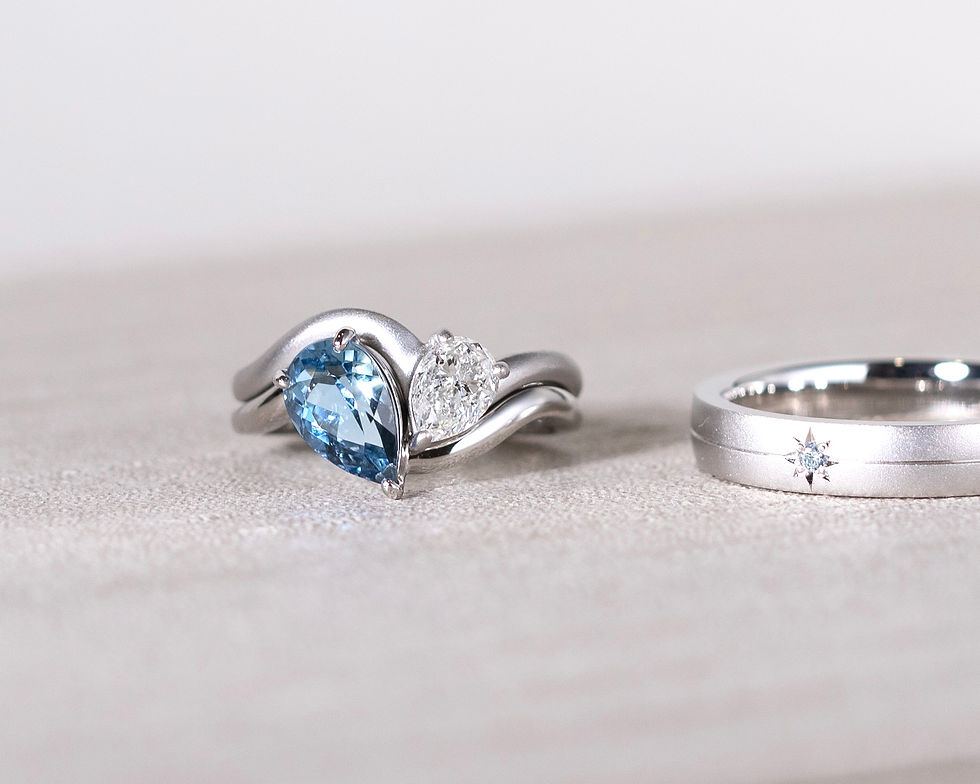
These rings could hardly be more different: a vivid blue sapphire, a meaningful emerald, and two gemstones set opposite one another. Yet each tells us something important about engagement rings: there has never been just one way to express a promise of love.
Today, diamonds remain a timeless choice, but sapphires, rubies, emeralds, tourmalines, aquamarines and other coloured gemstones offer another way to make an engagement ring personal. The colour, character and natural individuality of a gemstone can become part of the story behind the ring—making the choice about more than simply following tradition.
How to Choose An Engagement Ring
With so many possibilities, choosing an engagement ring can feel like a big decision. Beyond finding a beautiful design, there are a few practical details worth considering—from your budget and your partner’s personal style to the gemstone, ring size and how the engagement ring will eventually pair with a wedding band. Taking these elements into consideration can help you find a ring that feels both beautiful and meaningful, and most importantly, right for the person who will wear it.
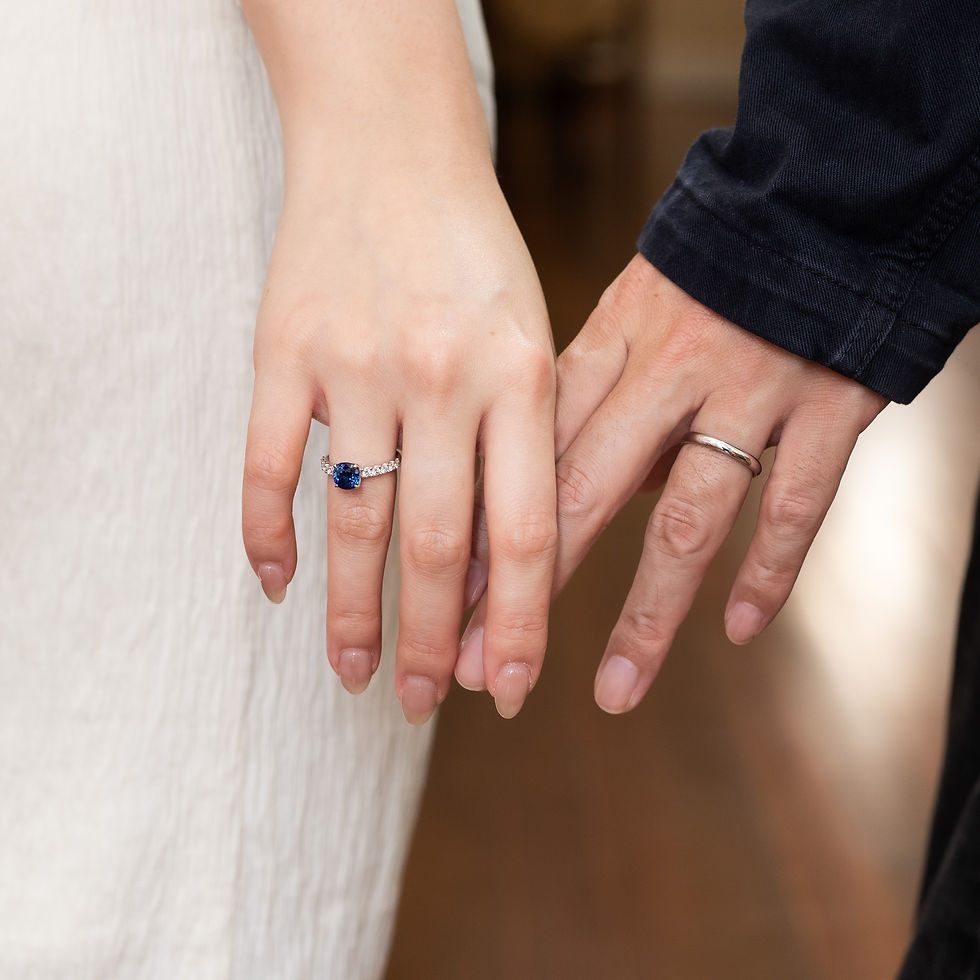
Step 1: Set Your Budget
You may have heard of the traditional “three months’ salary” rule for buying an engagement ring. Today, however, there is no universal amount that a couple should spend. An engagement ring is a personal choice, and its value does not have to be measured by a particular price point.
Instead, consider what feels comfortable for you as a couple and what you would like the ring to represent. You may choose to invest more in a gemstone that holds special meaning, a particular design, or exceptional craftsmanship—or simply choose a ring that fits comfortably within your plans for your life together.
After all, an engagement ring is a celebration of your commitment, not a measure of it. The most meaningful ring is one that feels right for both the person giving it and the person who will wear it.
Step 2: Consider Her Style
An engagement ring is something she may wear every day, so her personal style is a good place to start. Take a look at the jewellery she already wears: does she prefer yellow, white or rose gold? Does she gravitate towards delicate and understated pieces, or more distinctive designs?
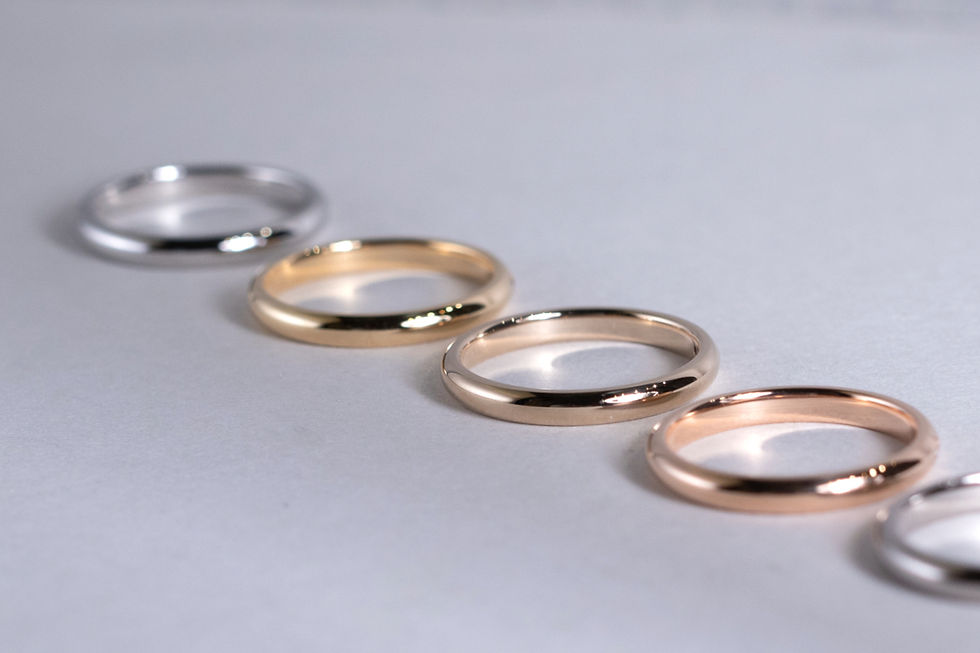
If the proposal is a surprise, her existing jewellery, wardrobe or even a little help from someone close to her can offer useful clues. Ultimately, choose a ring that feels like something she would naturally reach for and enjoy wearing every day.
Step 3: Choose The Right Gemstone
The centre stone is often the heart of an engagement ring, so consider what kind of gemstone best reflects the person who will wear it. A diamond is a timeless choice, but it is not the only one. Sapphires, rubies, tourmalines, aquamarines and other coloured gemstones can bring a distinctive colour and character to an engagement ring.

When choosing a gemstone, look beyond its appearance. Consider its colour, durability, natural characteristics and the meaning it holds for you. You may be drawn to a particular colour, a birthstone, a gemstone associated with a memorable place or moment, or simply a stone that feels uniquely like her.
There is no right or wrong choice. A meaningful gemstone can make an engagement ring feel personal from the very first moment it is given—and become part of your story for years to come.
Step 4: Choose the Design
Once you have chosen a gemstone, consider how you would like it to be presented. A simple solitaire can create an elegant and timeless look, while surrounding diamonds, multiple gemstones or distinctive details can give an engagement ring a more expressive character.
Think about what feels most natural to the person who will wear it—whether that is simple and understated, classic and refined, or distinctive and meaningful. Seeing different designs side by side can also help you discover what feels right.
Explore a selection of engagement ring designs from Fujimori Kajita below.

Verse Diamond Engagement Ring 
Chiara Unheated Blue Sapphire Engagement Ring 
Mon Soleil Montana Sapphire Ring 
Leafre Diamond Engagement Ring
Step 5: Find The Right Ring Size
Getting the right ring size is especially important when choosing an engagement ring, but it can be tricky if you are planning a surprise proposal. If you do not know your partner’s size, you can discreetly check a ring she already wears, ask someone close to her for help, or consult a jewellery professional for advice.
For a detailed guide on how to measure ring size and find the right fit, see our [Ring Size Guide].
While some ring designs can be resized, the range varies depending on the design and construction. At Fujimori Kajita, many of our rings can typically be adjusted within three sizes, but we always recommend finding the closest possible size from the beginning.
Step 6: Consider The Wedding Band
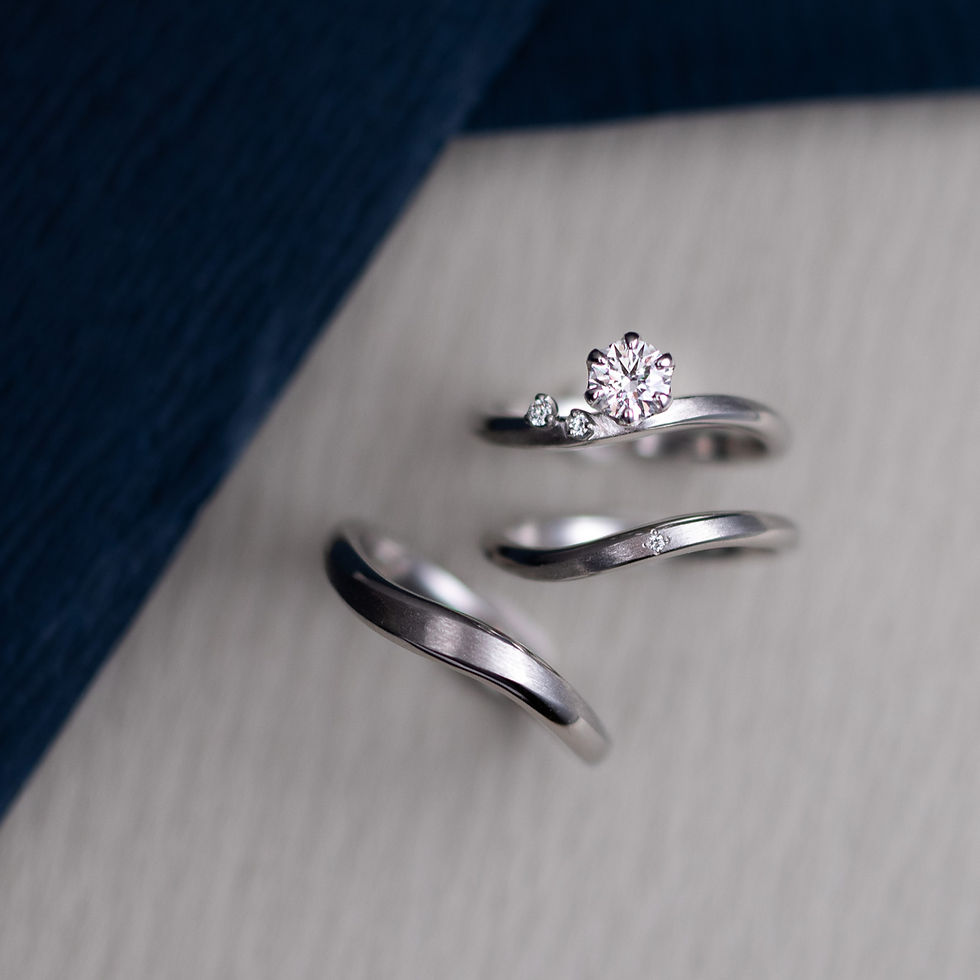
An engagement ring is often worn alongside a wedding band, so it is worth considering how the two rings will look and feel together. Many classic and timeless engagement ring designs are easy to pair with different wedding bands, while more distinctive or curved designs may require a more specific pairing.

If you already have an idea of the wedding band you would like, you can consider both rings together from the beginning. If you are unsure, speak with a jewellery consultant who can advise on how different designs will sit together, both aesthetically and comfortably.
At Fujimori Kajita, we also offer engagement ring and wedding band designs created to complement each other, making it easier to find a harmonious pairing from the beginning.
What to Look for When Buying an Engagement Ring
Once you have an idea of the ring you want, there are a few practical details worth checking before making your purchase.
Craftsmanship and Finishing
A beautiful design is only one part of a well-made engagement ring. Look beyond its appearance and consider the integrity of the ring itself: how the gemstone is secured, how the setting is constructed, and how the ring is designed for comfortable, lasting wear.

Not every design can be recreated exactly as it appears in a photograph, as the size and characteristics of the gemstone, the proportions of the design and the construction of the ring all need to work together. An experienced jeweller can help translate the look you love into a design that is both beautiful and technically sound.
Gemstone Quality and Characteristics
Every gemstone is unique, particularly natural coloured gemstones. Consider its colour, clarity, cut and natural characteristics, as well as whether the gemstone is suitable for everyday wear.
Sizing and Resizing
Make sure you understand the ring's sizing and whether it can be resized if needed. Resizing possibilities can vary depending on the design and construction of the ring.
Aftercare and Service
An engagement ring is made to be worn and treasured for years, so it is worth understanding what care and services are available after your purchase. Ask about cleaning, maintenance, repairs and any resizing or aftercare services offered by the jeweller.
Diamond or Coloured Gemstone?
When choosing an engagement ring, the centre stone is often where the decision becomes most personal. Diamonds have long been a classic choice, valued for their brilliance and timeless appeal. But a diamond is not the only gemstone that can mark an engagement.
Coloured gemstones such as sapphires, rubies, tourmalines and aquamarines can bring a different kind of character to an engagement ring. Their natural colours, individual characteristics and symbolism can make each ring feel more personal and distinctive.
Choosing a Diamond
Diamonds remain a popular choice for their brilliance, durability and timeless appearance. They can also complement a wide range of ring designs, making them a versatile choice for an engagement ring that will be worn for years to come.
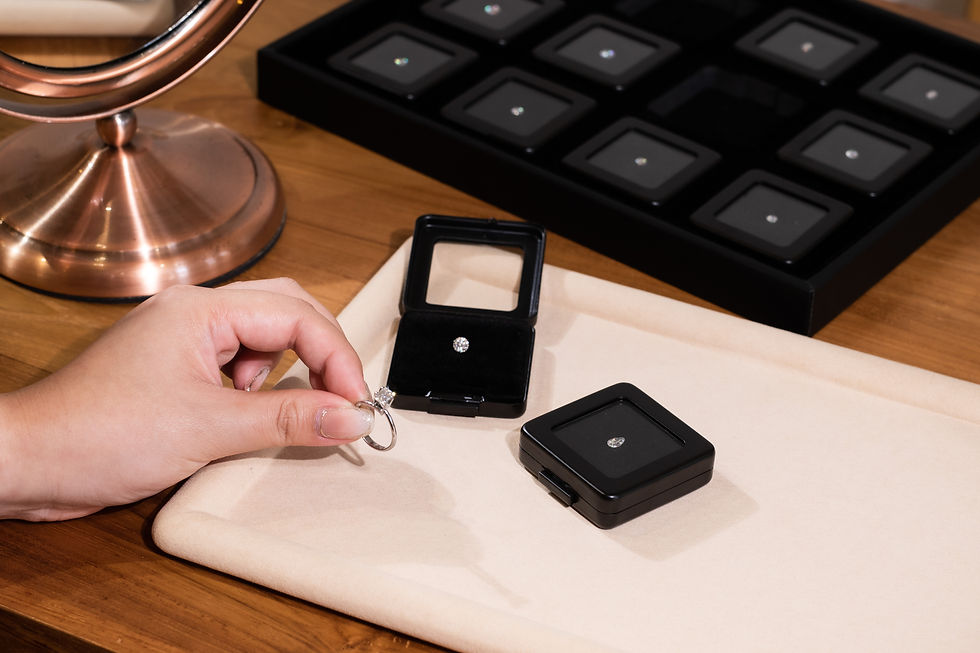
When choosing a diamond, consider the familiar 4Cs—cut, colour, clarity and carat weight—as well as how these characteristics work together to create the overall appearance of the stone.
Choosing a Coloured Stone
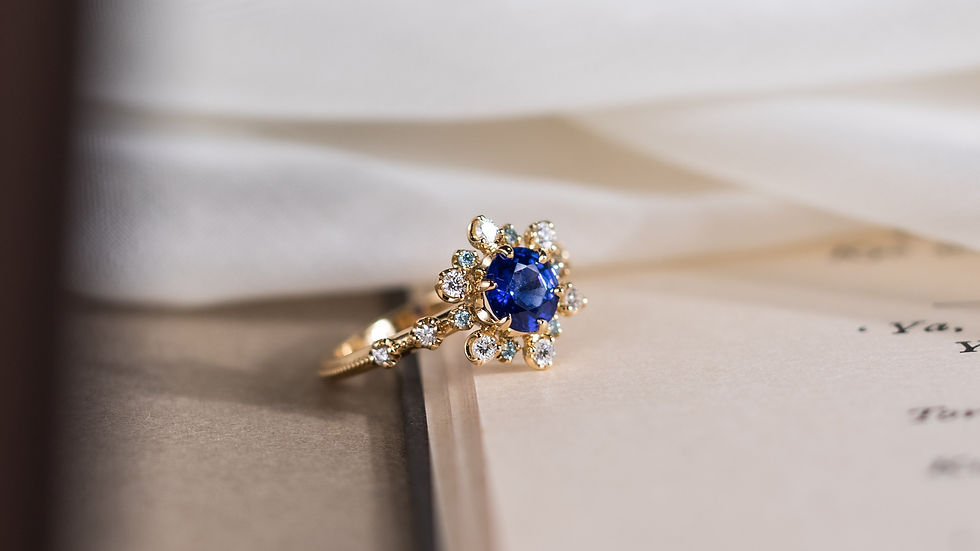
With a coloured gemstone, colour often becomes the first thing that draws you in. No two natural gemstones are exactly alike, and variations in hue, tone, saturation and natural characteristics give each stone its own personality.
You may choose a gemstone because its colour reminds you of something meaningful, because of its symbolism or birthstone connection, or simply because it feels like the right stone for the person who will wear it. Sapphires, tourmalines, aquamarines, rubies and many other gemstones can each bring a different character to an engagement ring.
Ultimately, there is no right or wrong choice. Whether you choose the timeless brilliance of a diamond or the distinctive character of a coloured gemstone, the most meaningful choice is one that reflects the person, the relationship and the story behind the ring.
Discover Your Engagement Ring at Fujimori Kajita
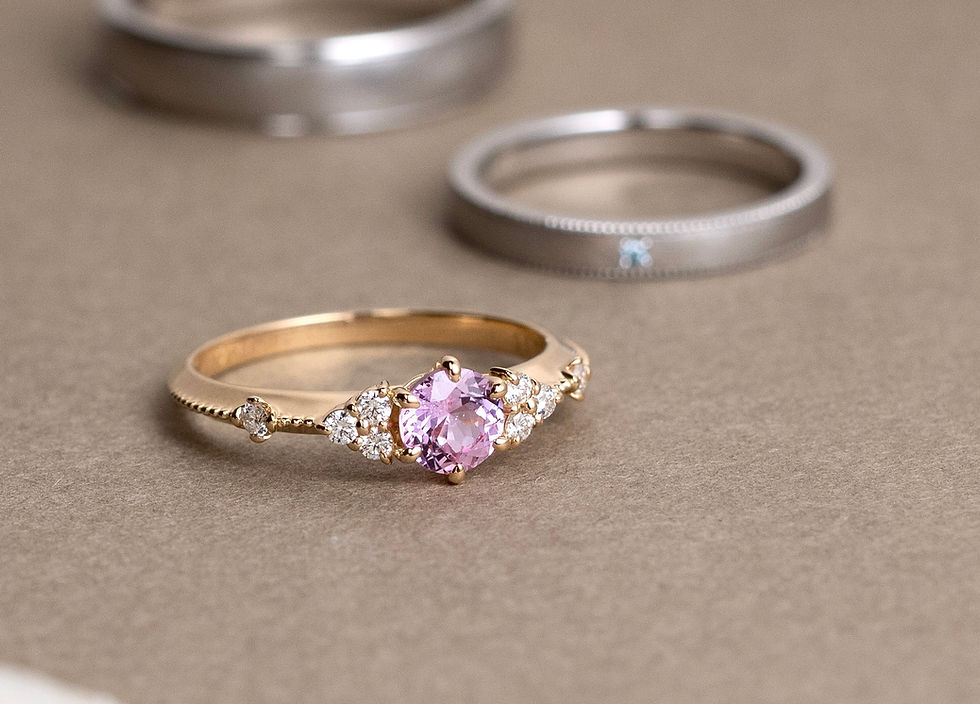
At Fujimori Kajita, we believe an engagement ring should be as individual as the person who wears it. Our collection includes timeless and classic diamond engagement rings alongside distinctive coloured gemstone designs, all crafted with the attention to detail and craftsmanship of a Japanese jewellery atelier.
For those looking for something truly personal, we also offer bespoke services to create an engagement ring tailored to your vision. Whether you already have a design in mind or are still discovering what feels right, our jewellery consultants can guide you through the gemstones, designs and details to find a ring that reflects your story.
Consult our jewellery consultant for advice on choosing your engagement ring.


Comments